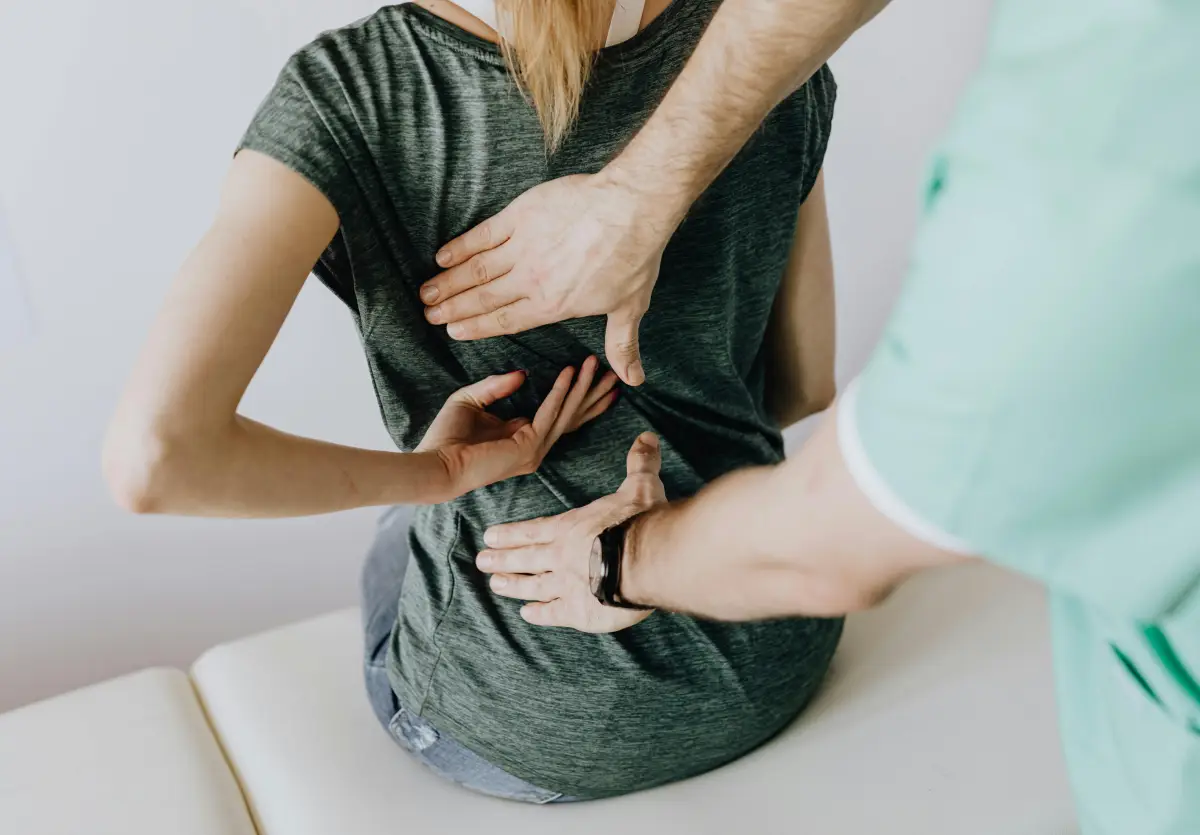
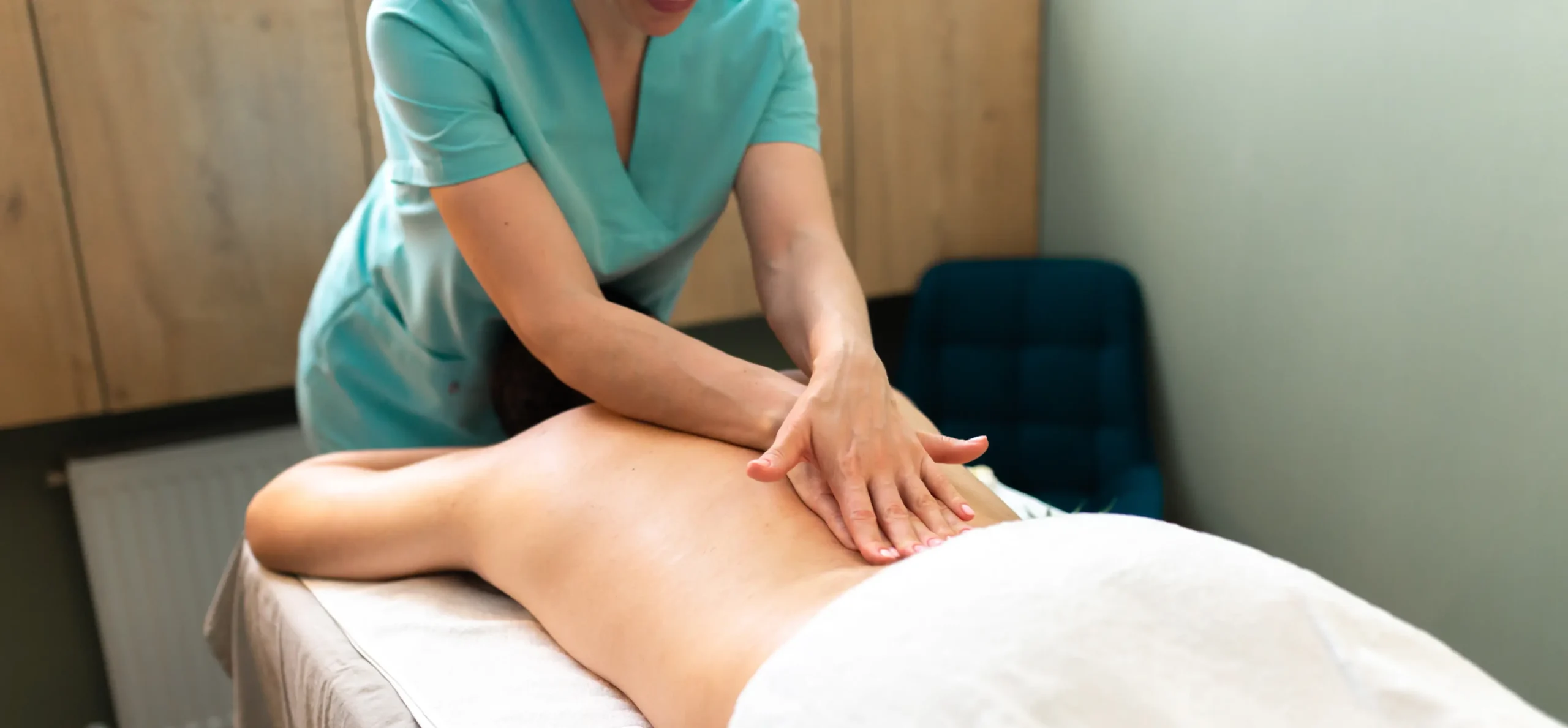
Your spine is the central pillar of your body — responsible for posture, movement, protecting the spinal cord, and bearing the loads of daily life. Yet despite its importance, most people pay it very little attention until something goes wrong. Physical therapy (physiotherapy) offers one of the most effective, evidence-based approaches to not only treating spinal problems after they occur, but building the muscular resilience to prevent them altogether.
The Anatomy of Spinal Muscle Health
To understand how physical therapy helps, it helps to understand the key muscle groups that support the spine:
Deep stabilisers (multifidus, transverse abdominis, pelvic floor) — the innermost muscles that provide fine-motor control and segmental stability of each vertebral level. They are typically the first to weaken after injury or inactivity.
Global stabilisers (internal obliques, lumbar erector spinae) — manage spinal stiffness and control movement across larger ranges.
Global movers (rectus abdominis, external obliques, large erector spinae) — generate
power for gross movements like bending, twisting, and lifting.
A healthy spine needs all three layers to work together in the right sequence. When deep stabilisers fail — as they do in most cases of back pain — global muscles attempt to compensate, leading to overuse, fatigue, and eventually chronic pain.
What Physical Therapy for the Spine Involves
Phase 1 — Assessment and Pain Relief: Every program begins with posture analysis, range of motion testing, neurological screening, and functional movement assessment. During the early painful phase, therapy focuses on reducing pain through soft tissue techniques, joint mobilisation, thermal therapy, and gentle movement exercises.
Phase 2 — Motor Control and Deep Muscle Activation: Once acute pain subsides, the focus shifts to retraining the deep stabiliser muscles through diaphragmatic breathing, pelvic floor activation, transverse abdominis exercises (abdominal hollowing, dead bugs), and multifidus activation (bird-dog, prone exercises). These exercises are performed slowly with great attention to form and breath.
Phase 3 — Progressive Strengthening: As stabilisers improve, progressive loading is introduced through bridging and single-leg variations, modified planks and side planks, resistance band exercises for the hips and back extensors, and light deadlifting patterns with perfect form.
Phase 4 — Functional Movement and Return to Activity: The final phase prepares you for your specific life demands — whether carrying groceries, playing with grandchildren, running, or returning to sport. Functional patterns are trained until they become automatic.
Conditions That Respond Well to Spinal Physical Therapy
Lower back pain (acute and chronic)
Sciatica and lumbar disc herniation
Cervical spondylosis and neck pain
Scoliosis — postural correction and pain management
Why Home-Based Physical Therapy Works for Spinal Conditions
For many spinal patients, travelling to a clinic is itself a source of pain and stress. Neuron Rehabilitation eliminates this barrier by delivering expert physiotherapy to your home. Homebased therapy also allows our physiotherapists to assess your actual living environment, teach exercises in the space where you will perform them, observe your posture in your real daily context, and suggest simple home modifications that reduce daily spinal load.
Spinal muscle health is not a luxury — it is a foundation. Investing in physical therapy now means fewer pain episodes, better posture, greater independence, and a higher quality of life as you age.
 by
by